Sump pump water damage can leave your basement flooded, your belongings ruined, and your property at risk.
AllPhase Restoration provides fast, professional cleanup and restoration services to address sump pump flooding before the damage worsens.
If your sump pump has failed or you’re dealing with a flooded basement, call us now for immediate help. Our team is available 24/7 to respond when you need it most.
A sump pump overflow can flood your basement with hundreds (or even thousands) of gallons of water in just a few hours. What starts as a small issue can quickly cause major structural damage, mold growth, and costly repairs.
Sump pump water damage is different from other types of flooding. In many cases, the water entering your home has already passed through soil, meaning it may carry contaminants that require specialized cleanup.
At AllPhase Restoration, our IICRC-trained technicians respond 24/7 to assess the situation, remove water, and begin the drying process right away. Our goal is to minimize damage and get your home back to normal as quickly as possible.
Understanding the cause of sump pump failure helps guide the restoration process and prevent future problems. Some of the most common causes of sump pump basement flooding include:
When your sump pump fails and your basement floods, the damage is often more extensive than it appears on the surface. If you’ve experienced sump pump water damage, schedule a professional water damage assessment right away to prevent further issues and begin the restoration process.
At AllPhase Restoration, we perform a detailed inspection to identify all affected areas and create a clear plan for cleanup and repairs. Our team uses advanced tools and proven methods to ensure nothing is overlooked. Here’s what it includes:
A sump pump failure in your basement can impact multiple parts of your home, even beyond what’s immediately visible.
By identifying and assessing all affected areas early, we can prevent further damage and ensure a complete restoration.
The right type of sump pump for your commercial or residential property will depend on your budget and other factors. There are two types of sump pumps:
This pump type is installed beneath your basement floor. It is quiet and highly efficient, but repairs and maintenance cost more since we have to exhume the pump to work on it.
Pedestal pumps cost less than submersible pumps and require less maintenance since they don’t stay underwater.
Battery-operated and automatic versions of submersible and pedestal sump pumps are available but cost more. Systems that run on a battery evacuate flood water even when your building has no power. Automatic systems come on automatically once the water in your basement rises to a specific level.
Let our experts guide you towards the best sump pump for your needs. We have options for various budgets, and we only install systems from reputable brands that offer impressive warranties.
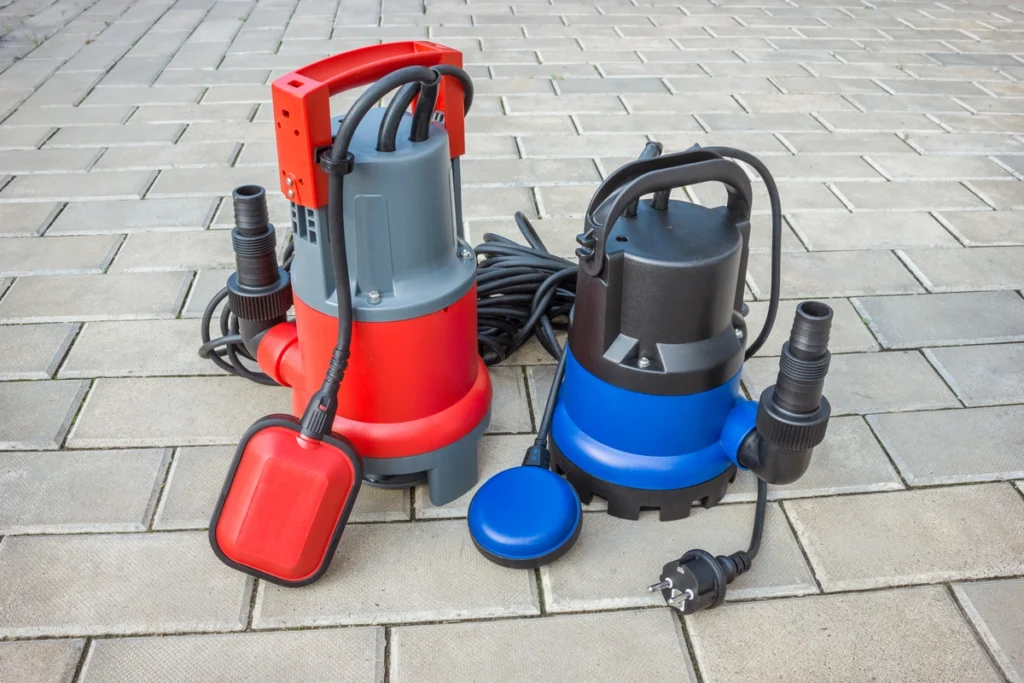
While regular maintenance often eliminates the need for sump pump repair, it is necessary from time to time. Here are a few signs that you may need sump pump repair:
Like any other appliance, sump pumps are prone to wear and tear. Yearly maintenance will keep the system reliable and ensure that it works perfectly when indoor flooding occurs.
Our team at Allphase Restoration can provide sump pump maintenance at any time that best suits you, and we service systems from every brand. During sump pump tune-ups, we clean the unit’s components and clear debris from the discharge line. We’ll also check the unit’s power cord for fraying and we will replace or repair damaged components.

SUMP PUMP REPAIR & INSTALLATION EXPERTS
We pride ourselves on being the best sump pump installation and repair team in Columbus. You can always count on Allphase Restoration as we work for you 24/7 and cover many communities around Columbus. If you are in our service area, ask for a quote today.
Water damage can begin within minutes. A failed sump pump can allow hundreds of gallons of water to enter your basement within the first hour, and damage can increase rapidly during heavy rain.
No. The area should remain unoccupied during drying. This ensures proper airflow and reduces exposure to moisture and potential contaminants.
Sump pump flooding often involves groundwater, which can contain dirt, bacteria, and other contaminants. This typically requires more advanced cleaning and sanitization than clean water damage.